
المتحف المصري بالتحرير يحتفل بعيد الاثريين بأكتشافات المرحوم عالم الآثار رمضان البدرى تكريما له.


محمد عبدالرحمن
١١ يناير ٢٠٢٦
«في عيدكم.. أنتم حراس المجد وأُمناء التاريخ»
الآثاري المصري ليس مجرد باحث في طيات الماضي، بل هو فنان يستلهم الجمال، وكيميائي يفك شفرات الزمن، ومؤرخ يحفظ رواية المجد. بفضل سواعد أبنائها من الأثاريين في كافة التخصصات، تظل مصر “أول الدنيا” ومنارتها في صون التراث الإنساني.
بمناسبة عيد الآثاريين المصريين والذى يوافق الرابع عشر من يناير من كل عام، يحتفي المتحف المصري بالقاهرة بقطعة استثنائية تجسد تلاحم عظمة الماضي وبراعة الحاضر؛ إنه قناع السيدة “تا-دي-حر”، المعجزة الأثرية التي أثبتت أن أنامل المرمم المصري هي الحارس الأمين لخلود التاريخ.
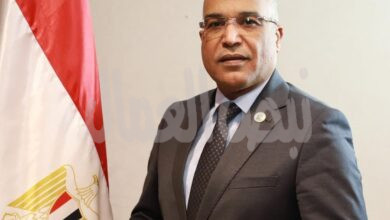
تحت إشراف عالم الآثار الراحل الدكتور رمضان بدري حسين، وبفضل رؤيته العلمية الثاقبة، شهد عام 2018 كشفاً أبهر العالم في منطقة سقارة (الأسرة 26). حيث تم العثور على “ورشة تحنيط” كاملة، استقر فيها قناع السيدة “تا-دي-حر”، كاهنة المعبودات (موت ونوت شا إن)؛ وهو الاكتشاف الذي صُنف ضمن أهم 10 اكتشافات أثرية في العالم.
كشفت الفحوصات العلمية المتقدمة باستخدام جهاز الأشعة السينية المحمول (XRF) عن تفاصيل مذهلة: القناع مصنوع من الفضة بنقاء فائق يتجاوز 99%، مكسوّ بطبقة رقيقة جداً من الذهب. العيون مرصعة بمواد طبيعية تشمل الرخام الأبيض، الأوبسيديان، والزجاج الأسود. باروكة الشعر والحاجبان مطعمان بالزجاج الملون والعجينة الملونة. يزدان القناع بنصوص دينية تعكس المذهب الروحي لتلك الحقبة، في تنسيق بديع للألوان والخطوط.
لم تكن استعادة بريق القناع مجرد مهمة تقنية، بل كانت تحدياً علمياً كبيراً؛ فقد كان مغطى بتكلسات صلبة من “كلوريد الفضة”. بقرار شجاع وفكر مستنير، اعتمد فريق عمل المتحف المصري على التنظيف الميكانيكي الدقيق بدلاً من المحاليل الكيميائية، لحماية طبقة التذهيب الهشة.
استُخدمت في هذه الملحمة أدوات دقيقة شملت أقلام الموجات فوق الصوتية (Ultrasonic pen)، المشارط المعدنية والفرير الخشبية، تقنيات الليزر في مراحل مدروسة. وتمت كافة الأعمال تحت المجهر لضمان أعلى معايير الدقة والسلامة.
تحية فخر واعتزاز إلى أبطال قسم الترميم وصيانة الآثار بالمتحف المصري بالقاهرة ، وإلى كل يدٍ مصرية أعادت الحياة لقطعة أثرية فريدة لتبقى شاهداً على عظمة الأجداد وإخلاص الأحفاد.
كل عام وأثاريو مصر بخير وفخر!
Guardians of Glory and Trustees of History
The Egyptian archaeologist is far more than a researcher delving into the folds of the past; they are artists who draw inspiration from ancient beauty, chemists decoding the secrets of time, and historians safeguarding the narrative of grandeur. Through the relentless efforts of experts across all archaeological disciplines, Egypt remains at the forefront of the world, serving as a beacon in the preservation of human heritage.
On the occasion of Egyptian Archaeologists’ Day,commemorated annually on the 14th of January, the Egyptian Museum in Cairo celebrates an exceptional masterpiece that embodies the seamless fusion of ancient majesty and contemporary ingenuity. The mask of Lady “Ta-de-hr” stands as an archaeological miracle, proving that the delicate touch of the Egyptian conservator is the true guardian of historical immortality.
Under the supervision of the late archaeologist Dr. Ramadan Badri Hussein, and guided by his profound scientific vision, the year 2018 witnessed a discovery that captivated the world in Saqqara (26th Dynasty). A complete “mummification workshop” was unearthed, revealing the mask of Lady “Ta-de-hr”, Priestess of the Goddesses Mut and Nut-Sha-In. This monumental find was rightfully ranked among the top ten archaeological discoveries globally.
Advanced scientific examinations using portable X-ray fluorescence (XRF) revealed astonishing technical details. The mask is crafted from silver with an extraordinary purity exceeding 99%, overlaid with an ultra-thin layer of gold leaf. The eyes are inlaid with natural materials, including white marble, obsidian, and black glass, while the wig and eyebrows are adorned with polychrome glass and colored paste. Furthermore, the mask is embellished with religious inscriptions reflecting the spiritual doctrine of the era, executed with an exquisite harmony of lines and pigments.
Restoring the luster of this mask was not merely a technical task but a formidable scientific challenge, as it was shrouded in stubborn encrustations of silver chloride. Driven by a courageous decision and enlightened scientific methodology, the Egyptian Museum’s conservation team opted for meticulous mechanical cleaning rather than chemical solvents to protect the fragile gilded layer. This epic undertaking involved precision tools such as ultrasonic pens, metal scalpels, and wooden spatulas, with laser technology applied during specific phases. The entire process was conducted under microscopic lenses to ensure the highest standards of precision and structural integrity.
We extend a tribute of pride and gratitude to the heroes of the Conservation and Restoration Department at the Egyptian Museum in Cairo, and to every Egyptian hand that breathed life back into this unique artifact. May it remain an eternal witness to the greatness of our ancestors and the devotion of their descendants.
Happy Egyptian Archaeologists’ Day!